Damp Proof Course Failure: Warning Signs and Solutions
November 3, 2025
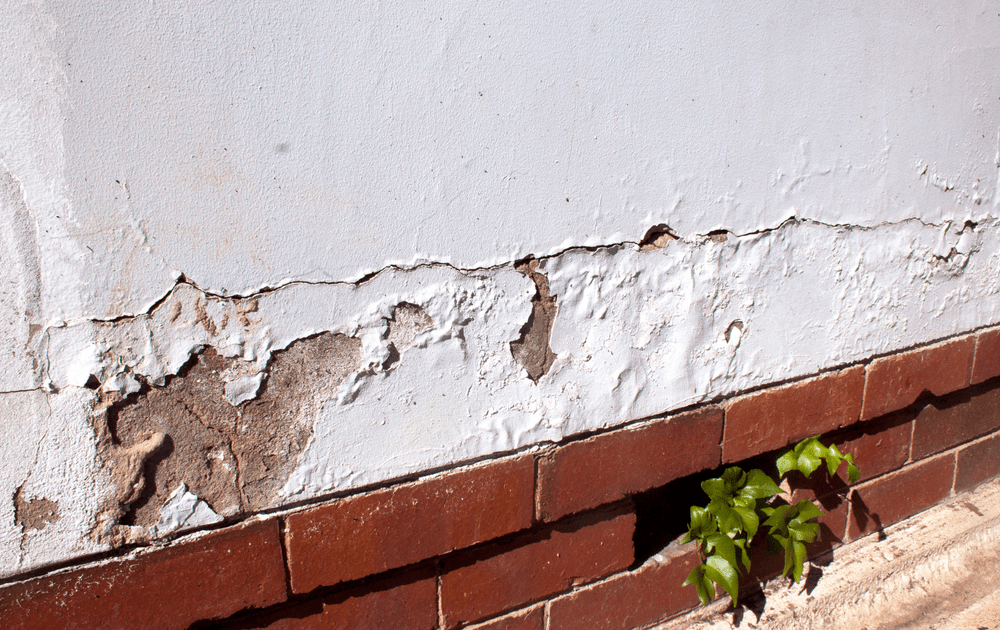
When it comes to protecting your home from moisture damage, few features are as essential as a properly functioning damp proof course (DPC). It’s a hidden barrier designed to keep your property dry, safe, and structurally sound. However, when this barrier breaks down, homeowners can face a cascade of costly problems, from unsightly wall stains to severe structural deterioration.
In this comprehensive guide, we’ll explain everything you need to know about damp proof course failure, including what causes it, the tell-tale warning signs, and the most effective solutions for repairing or replacing a failed DPC.
What Is a Damp Proof Course?
A damp proof course (often abbreviated as DPC) is a horizontal layer built into the walls of a building near the base. Its primary role is to prevent moisture from rising up through the porous structure of bricks and mortar via capillary action.
DPCs have been mandatory in UK buildings since the late 1800s, and they come in various forms depending on the building age and materials used, including:
- Physical DPCs: Layers of slate, bitumen, plastic (polyethylene), or engineering bricks inserted into the wall.
- Chemical DPCs: Modern liquid or cream injections that penetrate the wall and form a water-repellent barrier.
When functioning correctly, the DPC ensures that any moisture in the ground stays below floor level, keeping your walls, plaster, and internal finishes dry. But when this layer deteriorates or becomes bridged, moisture can begin to rise, resulting in what’s known as rising damp.
What Is Damp Proof Course Failure?
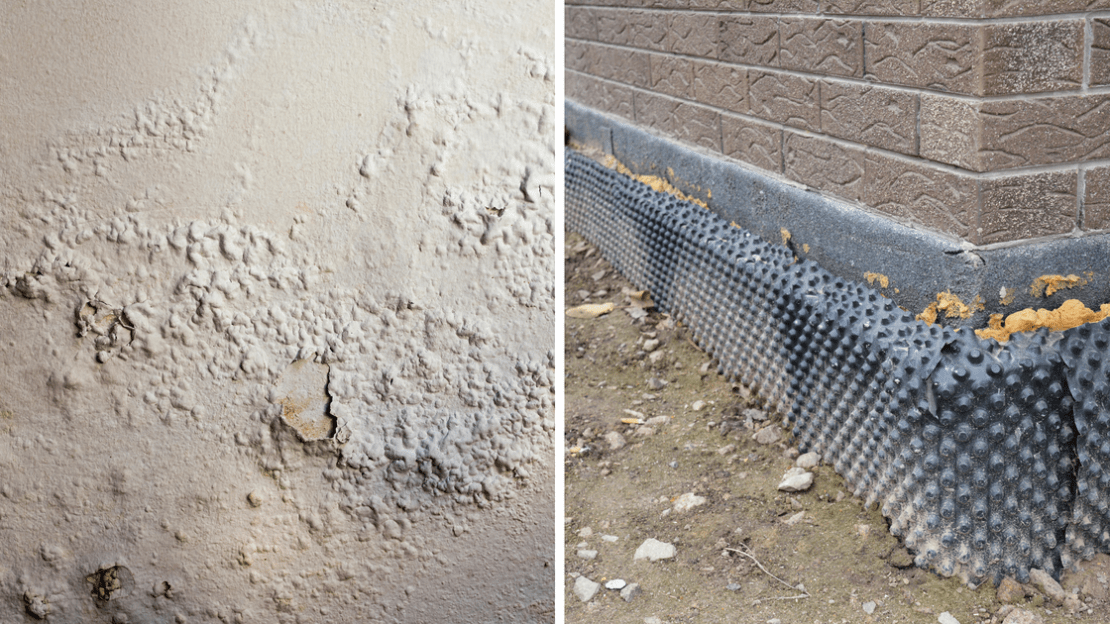
Damp proof course failure occurs when this protective barrier no longer stops moisture from travelling upward through the walls. The failure might be due to deterioration over time, incorrect installation, or external interference (for example, when garden soil or paving bridges over the original DPC line).
Once the DPC fails, water from the ground begins to rise up through the wall structure, carrying dissolved salts and minerals. These salts crystallise on or beneath wall surfaces, leading to flaking paint, peeling wallpaper, efflorescence, and in severe cases, plaster decay and timber rot.
If not addressed quickly, dampness can spread, affecting the aesthetics, comfort, and even the health and safety of your home.
Common Causes of Damp Proof Course Failure
There are several reasons why a damp proof course might stop working effectively. Understanding these causes is key to identifying and resolving the problem before it worsens.
1. Age and Natural Deterioration
Older buildings, especially those built before the 1950s, often used slate or bitumen DPCs that can degrade or crack over time. As the materials weaken, they lose their waterproofing ability, allowing moisture to rise.
2. Bridged DPC
One of the most common causes of damp proof course failure is bridging. This occurs when materials such as soil, render, or floor screed rise above the DPC line, providing an alternative route for moisture to bypass the barrier.
For instance:
- Garden soil piled up against exterior walls.
- Internal plaster or screed laid too high inside.
- Debris within cavity walls creating a moisture bridge.
3. Incorrect Installation
If the DPC was installed incorrectly, for example, at the wrong height or with gaps, it won’t provide adequate protection. This issue is particularly common in extensions or renovations where older and newer wall sections meet.
4. High Groundwater Levels
In areas with persistently high groundwater or poor drainage, hydrostatic pressure can push moisture through even minor weaknesses in a DPC. Over time, this can cause the barrier to fail completely.
5. Building Movement or Structural Shifts
Cracks caused by foundation movement, thermal expansion, or settlement can compromise the continuity of the damp proof course, allowing moisture to penetrate through the breaks.
6. Faulty Chemical Injection
For properties treated with chemical DPCs, poor-quality products or incorrect application can lead to ineffective damp-proofing. If the solution isn’t injected at the right depth or spacing, the barrier may have gaps.
Warning Signs of Damp Proof Course Failure
Recognising damp proof course failure early can save you significant time and money. Here are the key warning signs to look out for:
1. Tide Marks on Internal Walls
One of the classic indicators of rising damp is a horizontal tide mark, typically up to one metre above floor level. This is where moisture evaporates, leaving behind salt deposits that discolour the plaster.
2. Peeling Wallpaper and Flaking Paint
If wallpaper begins to bubble, peel, or lift, particularly near skirting boards, it’s often a sign that moisture is rising from the base of the wall. Paint may also flake or blister as dampness pushes through.
3. Damp or Musty Odour
Persistent damp smells, especially in basements or ground-floor rooms, often indicate trapped moisture in walls or timbers. This odour usually worsens in colder, wetter months.
4. Efflorescence (White Powdery Deposits)
When moisture travels through the wall, it brings salts to the surface. As the water evaporates, these salts crystallise, leaving a white powdery residue on plaster or brickwork.
5. Rotting or Warped Skirting Boards
Timber absorbs moisture readily. If your skirting boards appear soft, crumbling, or warped, it’s a strong sign that damp is rising from below.
6. Damp or Cold Patches on Walls
Even without visible staining, you might notice cold or damp-feeling patches when you touch walls, particularly near floor level.
7. Crumbling or Blown Plaster
When salts crystallise beneath the plaster surface, they expand and cause the plaster to break away from the wall. This can lead to hollow-sounding or crumbling sections.
8. Black Mould Growth
Although black mould is more common with condensation issues, prolonged rising damp can also create humid conditions where mould thrives, especially behind furniture and in poorly ventilated rooms.
How to Confirm Damp Proof Course Failure
Because different types of damp can appear similar, it’s essential to get a professional damp survey to confirm whether you’re dealing with a DPC failure or another issue (like condensation or penetrating damp).
A qualified damp specialist will:
- Use moisture meters to test the wall at various heights.
- Inspect the DPC line for signs of bridging or damage.
- Assess the type and pattern of dampness to determine its source.
- Check for salts that indicate rising damp rather than condensation.
- Recommend the most appropriate solution, such as DPC injection or re-plastering.
Attempting to treat damp without diagnosis can be costly and ineffective. For example, simply repainting over damp patches won’t fix the underlying problem, it will only mask it temporarily.
Solutions for Damp Proof Course Failure
Once confirmed, there are several ways to repair or replace a failed DPC, depending on the property type, age, and extent of the damage.
1. Chemical Damp Proof Injection
One of the most widely used modern solutions is a chemical damp proof course injection.
This involves drilling small holes along the mortar line and injecting a silicone-based cream or liquid that penetrates the brickwork, forming a waterproof barrier.
Benefits:
- Cost-effective compared to full physical replacement.
- Quick to install with minimal disruption.
- Suitable for most wall types, including solid and cavity walls.
Typical Process:
- Drill injection holes at regular intervals.
- Inject the damp proofing cream under pressure.
- Allow time for the cream to spread and cure within the wall.
- Replaster using a salt-resistant render.
2. Physical DPC Replacement
In severe cases or heritage buildings, a new physical damp proof course may be required.
This process involves cutting into the wall and inserting a new DPC membrane, usually made from durable plastic or bitumen.
Pros:
- Provides a permanent, robust solution.
- Ideal for buildings where chemical injection isn’t viable.
Cons:
- More expensive and disruptive.
- Requires professional handling to avoid structural damage.
3. Lowering External Ground Levels
If your DPC has been bridged by raised soil, decking, or paving, lowering the surrounding ground levels is a simple yet effective fix.
Ideally, your DPC should sit at least 150mm (6 inches) above external ground level to prevent moisture transfer.
4. Cavity Wall Clearing
In cavity wall properties, debris buildup at the base of the cavity can bridge the DPC. Cleaning out the cavity ensures the damp proof course can function properly again.
5. Internal Waterproof Rendering
For additional protection, walls can be re-rendered using waterproof or salt-resistant plaster systems. This prevents salts from migrating to the surface and provides a dry, smooth finish.
6. Improving Drainage and Ventilation
Ensuring proper drainage around your property, such as maintaining gutters, downpipes, and soakaways, helps reduce groundwater pressure. Improved ventilation also helps walls dry out faster after treatment.
Prevention: How to Avoid Future DPC Problems
Preventing damp proof course failure is always more cost-effective than repairing it. Here are some proactive measures to protect your home:
- Inspect regularly: Check external walls and DPC lines annually for signs of bridging or cracks.
- Keep soil and paving low: Maintain the 150mm clearance below the DPC line.
- Maintain good drainage: Ensure rainwater runs away from the building rather than pooling at the base.
- Fix leaks promptly: Even small plumbing or roof leaks can worsen damp conditions.
- Improve airflow: Use air bricks or vents to promote healthy ventilation.
- Choose quality materials: When renovating, ensure any new DPC installation is done using reputable products and certified installers.
Health and Structural Risks of Ignoring DPC Failure
Ignoring damp proof course failure can have serious consequences.
Not only does it damage your home’s appearance, but it can also affect your health and the building’s safety.
Health Concerns
Prolonged dampness creates the perfect breeding ground for mould and mildew, which can release spores that trigger allergies, asthma, and respiratory problems. Vulnerable individuals, such as children or the elderly, are particularly at risk.
Structural Damage
Persistent moisture weakens plaster, mortar, and timber. Over time, it can lead to wet rot, dry rot, or even structural instability if timbers supporting floors or walls become compromised.
Reduced Property Value
Homes affected by damp are harder to sell and often undervalued by surveyors. Lenders may also be reluctant to approve mortgages until the damp issue is professionally resolved.
How Much Does Damp Proof Course Repair Cost?
The cost of repairing or replacing a damp proof course varies depending on factors like property size, wall type, and extent of the damage.
As a general guide:
- Chemical DPC injection: £60–£100 per linear metre.
- Physical DPC replacement: £1,500–£3,000+ depending on access and materials.
- Replastering and redecoration: £500–£1,000 for affected rooms.
A professional damp survey will provide an accurate quote and outline the best long-term solution for your specific property.
When to Call a Professional Damp Specialist
If you’ve spotted tide marks, flaking paint, or musty smells, it’s time to contact a qualified damp-proofing company.
Professional damp specialists can quickly diagnose damp proof course failure, recommend appropriate repairs, and guarantee their work with long-term warranties.
At [Your Company Name], we provide expert damp proofing services across [your service area], helping homeowners protect their properties from moisture damage. Our team uses the latest chemical DPC systems and industry-approved methods to ensure lasting results, with minimal disruption and maximum peace of mind.
Final Thoughts
A damp proof course failure is more than a cosmetic issue, it’s a structural and health concern that demands prompt attention.
By recognising the warning signs early, understanding the underlying causes, and choosing the right repair method, you can prevent extensive damage and restore your home’s comfort and value.
Whether you’re dealing with minor damp patches or full-blown rising damp, acting quickly can make all the difference.
.


